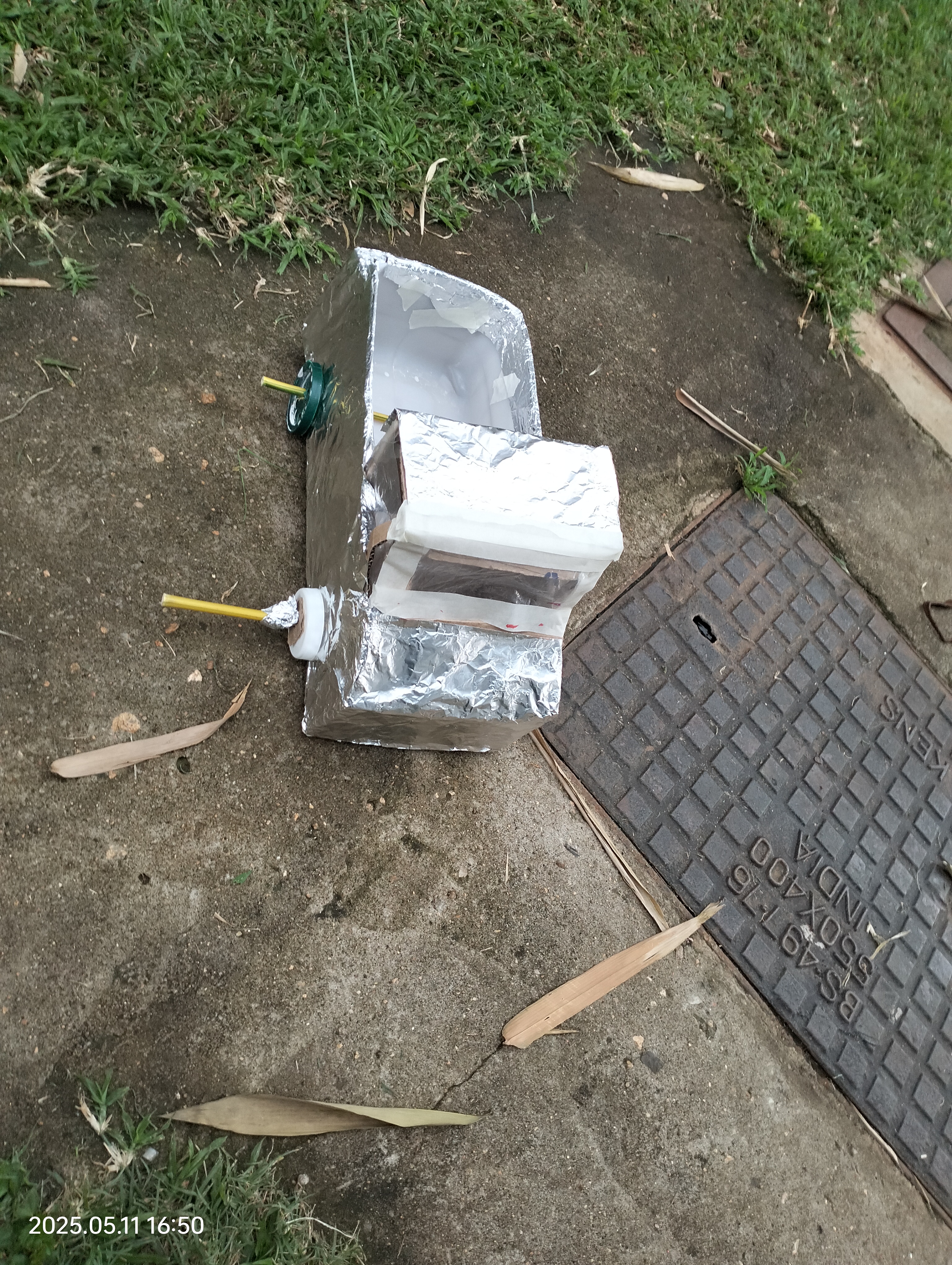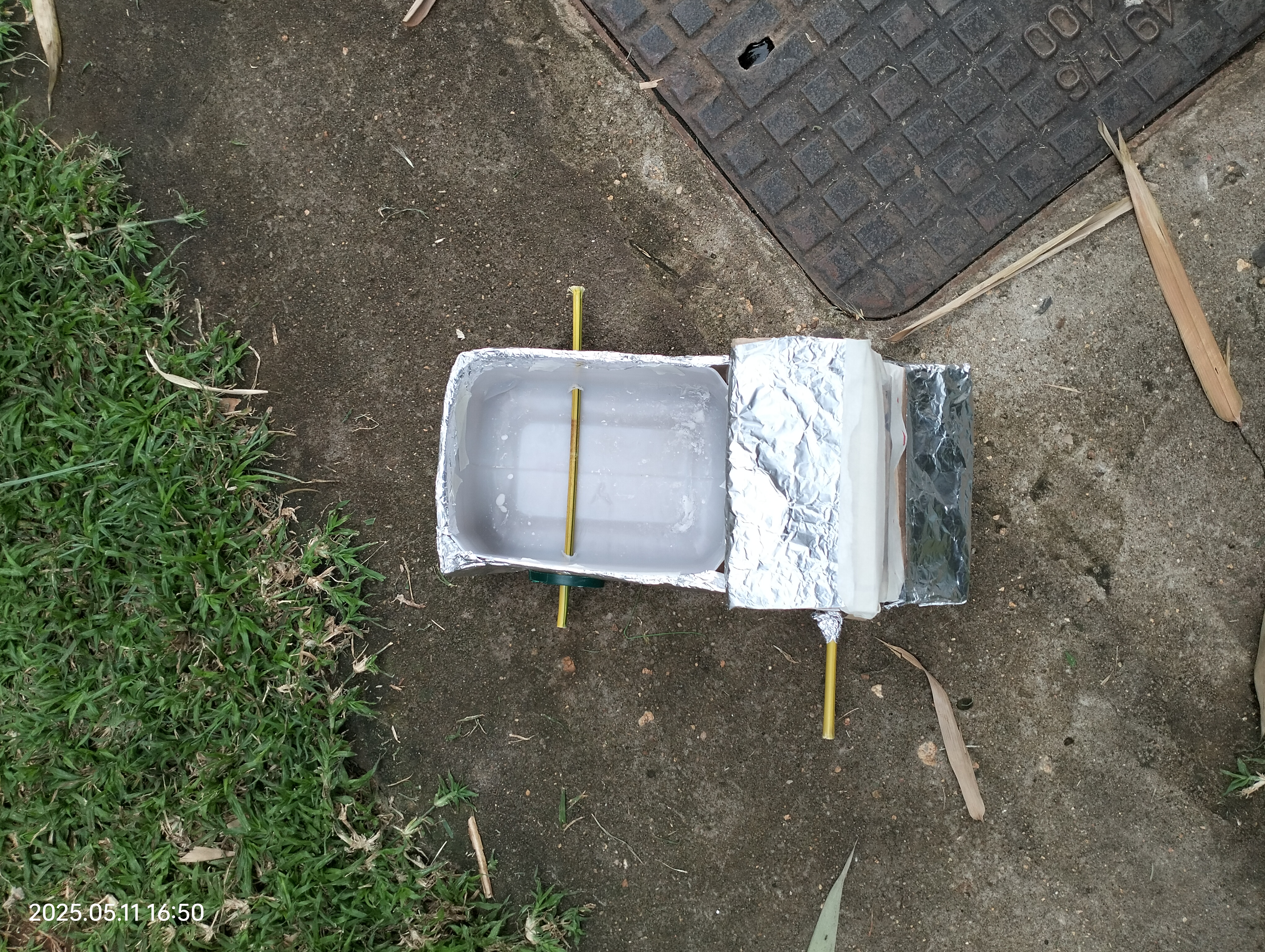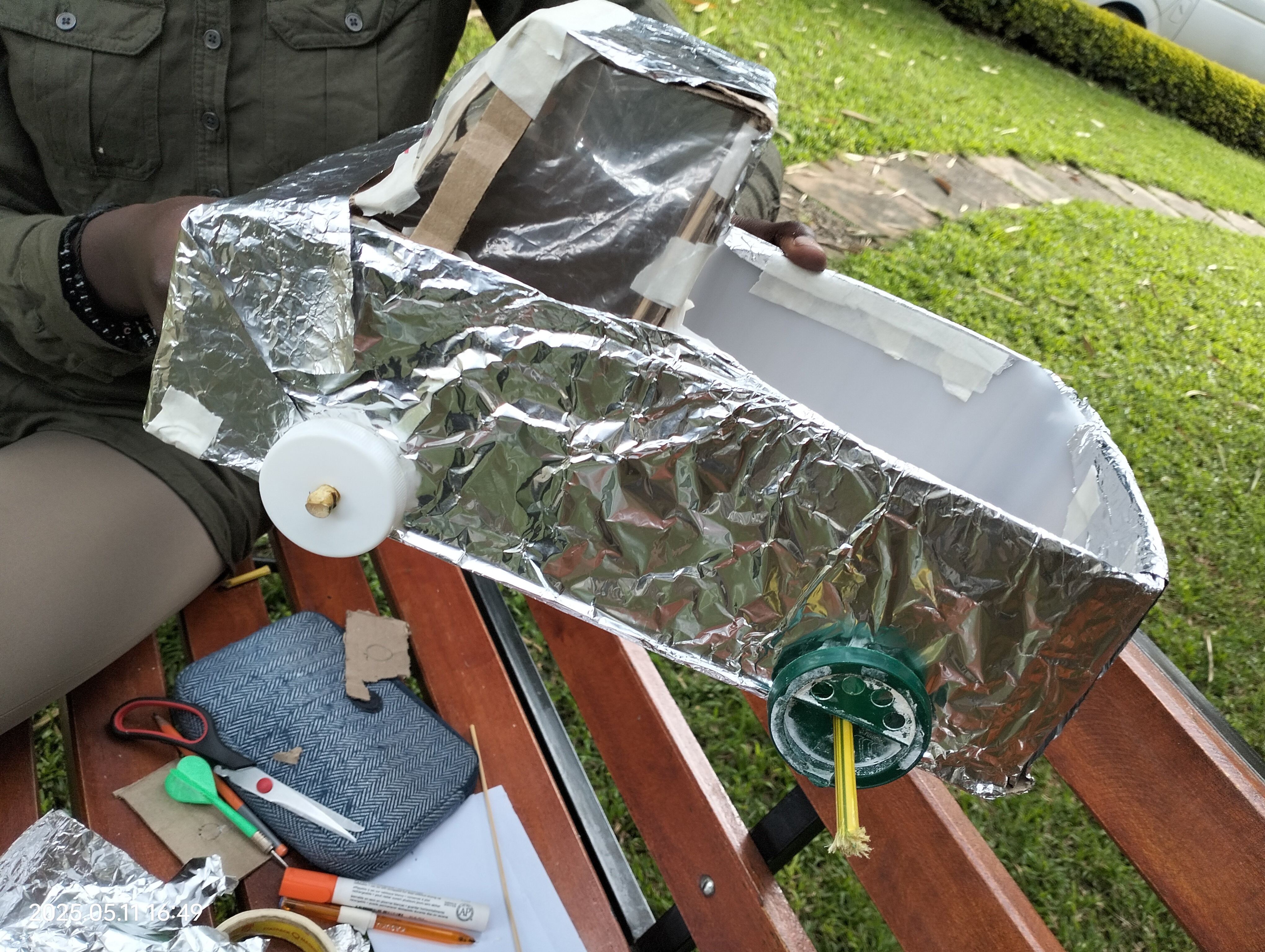
We embarked on a task to build a machine that can be used for transport. The task our machine solves is overcoming distances, which makes it easier to transport luggage, groceries, or move people from one place to another. This is also to demonstrate vehicular motion and mechanical principles in a simple and accessible way.
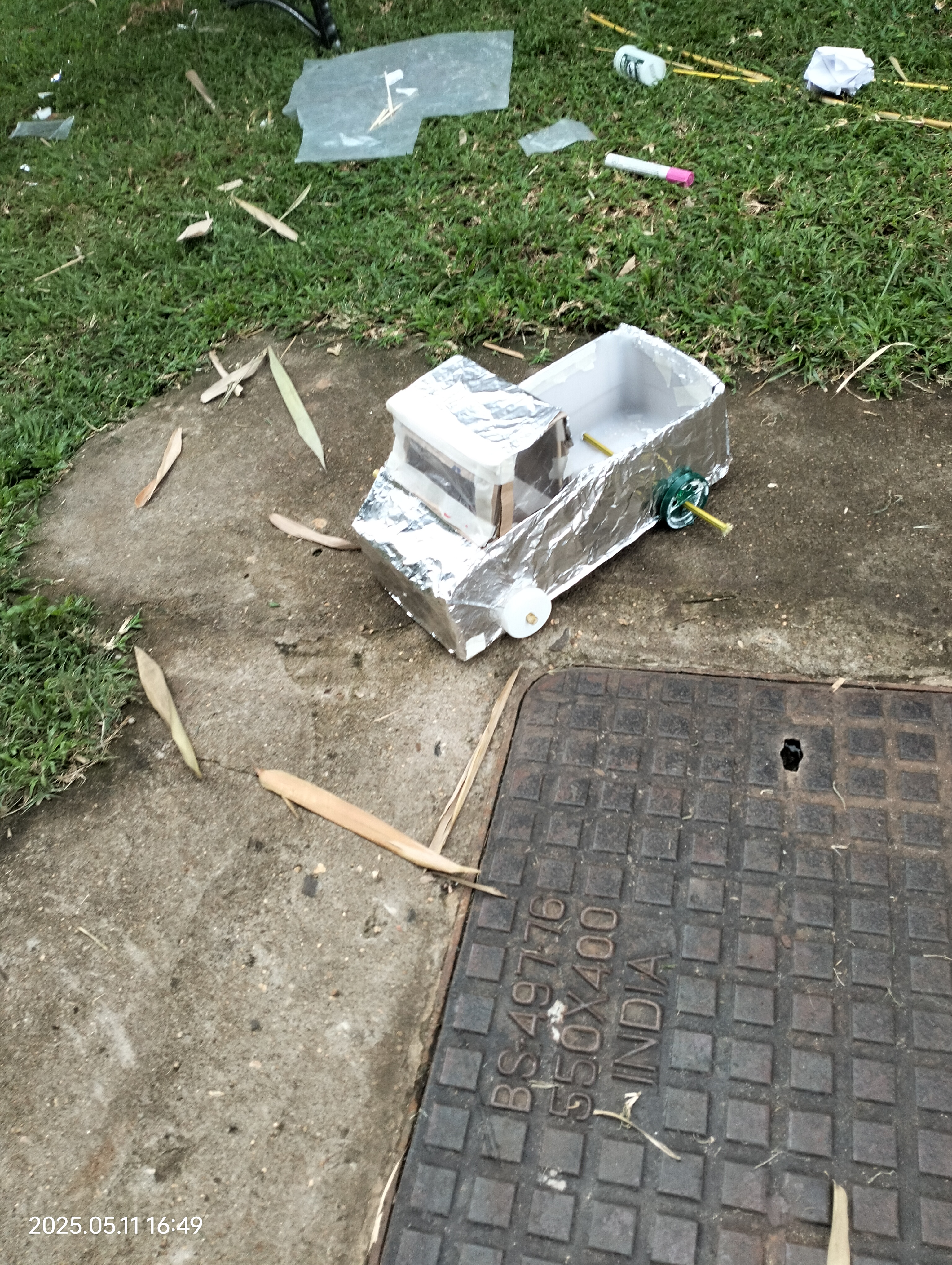
This refers to the ratio of input to otput in a machine.
Force is defined as a push or a pull that causes a machine to accelerate, decelerate, or change direction. Our car uses force to be in motion by being pushed manually to start moving. The amount of force applied to push the car will be equal to the rate of speed.
Torque refers to the measure of force that can cause an object to rotate. Our car has wheels that are held together by sticks, which allow for efficient rotation.
Work is performed when a car moves, for example, when we push the car, our hand does the work to set the car in motion. Work can be measured by calculating the amount of force applied when pushing the car by the distance covered by the car.
Energy transfer Energy involves converting energy from one form to another. The car demonstrates energy transfer in that muscle energy, which is scientifically referred to as chemical energy, is converted to the car's kinetic energy.
Friction losses - High friction in the wheels can reduce efficiency. For example, if wood is used, it causes too much friction, especially when the cardboard rubs against it, which leads to a loss of energy, and that’s why we use paper to save energy. Wheels: Misaligned wheels can cause the car to veer, wasting energy, whereas precise construction ensures efficient motion.
Ease of use - requires a minimal push Safety - the cardboard is safe with no sharp edges, making it suitable for users